Your Guide to Authentic Cuban Bakery Aurora CO Delights
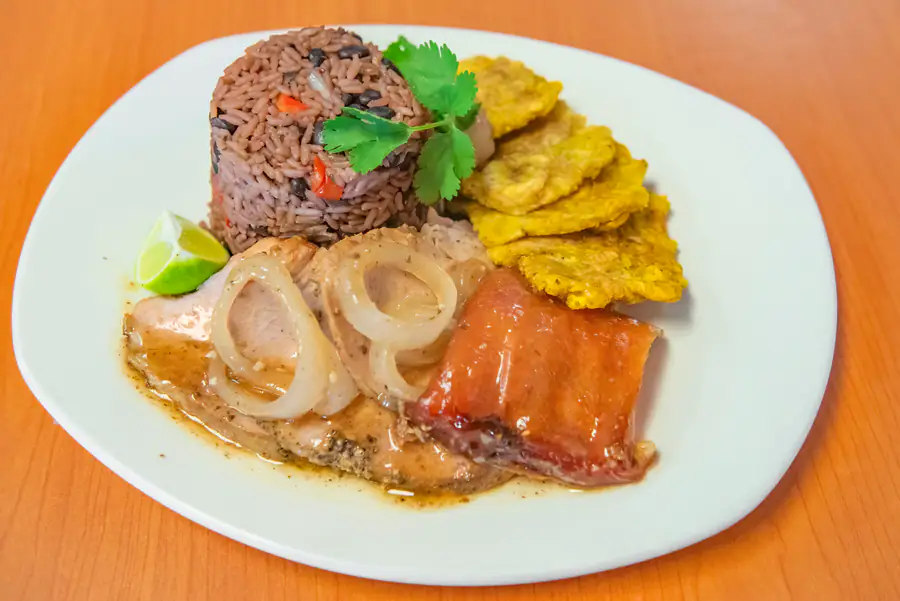
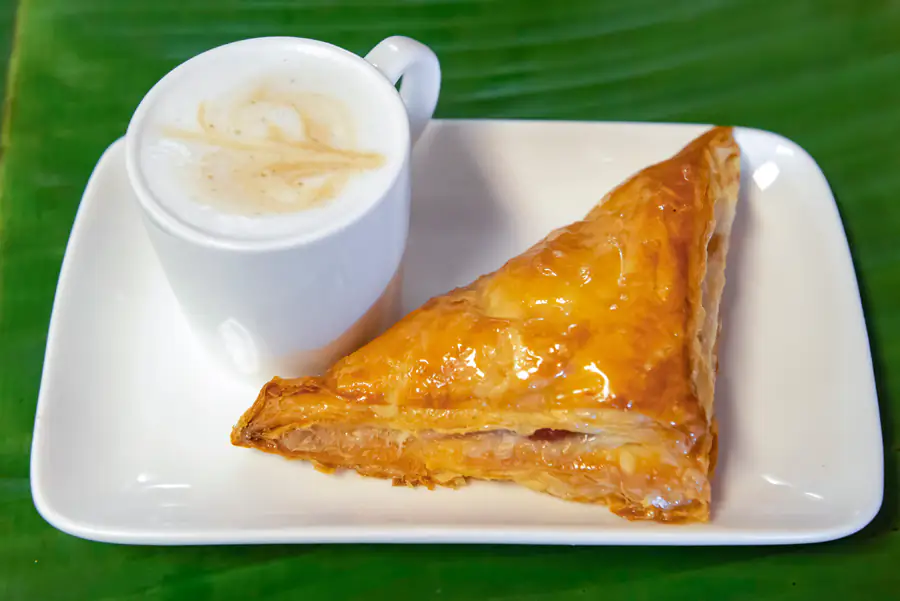
A good Cuban bakery does more than sell pastries. It carries memory, habit, and a very specific sense of timing. The coffee needs to be hot, sweet, and poured without fuss. The pastelitos should shatter lightly at the corners and stay soft in the center. Bread should smell alive, not merely baked. When people go looking for a Cuban bakery Aurora CO locals actually return to, those are the details that matter.
Aurora is not Miami, and that is worth saying plainly. The Cuban food scene here is smaller, more selective, and often folded into broader Latin American bakery or café culture. That does not make the experience less authentic. It just means you need a sharper eye. In a city where neighborhoods mix traditions from across the Caribbean and Latin America, the best Cuban bakery experience often reveals itself through texture, pacing, and consistency rather than flashy branding.
If you are new to Cuban baking, or if you grew up with it and want something that tastes right, this guide will help you know what to order, what to notice, and what separates a good bakery from one that simply happens to stock guava pastries.
What makes a Cuban bakery feel authentic
Authenticity in baking is rarely about one magic recipe. It comes from repetition and judgment. A baker knows when guava needs acidity to keep a pastelito from tasting flat. A sandwich maker understands that pressing a Cuban too hard can dry the bread and collapse the fillings. The person at the counter knows a cafecito is not just espresso with sugar added later, but coffee whipped into sweetness from the start.
That is why an authentic Cuban bakery experience tends to feel effortless even when the work behind it is exacting. You walk in and see familiar rhythms. People order quickly. The pastry case is busy but not overstyled. Bread moves in and out through the day because it is meant to be eaten fresh, not displayed as décor. There may be Spanish spoken at the counter, but language alone is not the proof. The proof is in the food.
In Aurora, where customers often arrive with different expectations, a strong Cuban bakery usually balances tradition with accessibility. Staff may explain what a pastelito de guayaba is to one customer, then turn and pack up a half dozen croquetas for someone who already knows exactly what they want. That flexibility is part of surviving outside a traditional Cuban stronghold.
The pastries most people notice first
For many customers, the pastry case is the first clue that they are in the right place. Cuban pastries tend to look inviting without trying too hard. They are often golden, glossy, and compact rather than oversized. The sweetness is there, but in good bakeries it stays controlled.
Pastelitos are the center of gravity. The most common versions are guava, guava and cheese, cheese alone, coconut, and sometimes meat-filled varieties. A strong guava pastelito should not taste like candy filling trapped in puff pastry. The fruit should have a clear, bright flavor, and the pastry should hold distinct layers. When bakers rush lamination or rely on stale stock, the result turns greasy or chewy. You feel it immediately.
The guava and cheese version is often the benchmark. The cheese softens the fruit and brings salt to the party. When balanced well, it becomes the pastry people order even if they thought they wanted something else. I have seen more than one pastry case where the plain guava options lingered but the guava and cheese tray emptied first. That is rarely an accident.
Cuban bakeries may also offer bocaditos, cookies, custard-based sweets, and cakes for birthdays or family events. The cakes matter more than outsiders often realize. A proper Cuban-style birthday cake, light in crumb and often filled with fruit or cream, is not just dessert. It is part of family ritual. In places with a real Cuban clientele, those cake orders often tell you as much about authenticity as the pastry case does.
Bread is where quality shows
If you want to judge a bakery seriously, pay attention to the bread. Pastries can hide behind sugar and fillings. Bread cannot.
Traditional Cuban bread has a thin crust and a tender interior with enough structure to hold up in a sandwich press. It should not eat like a dense European loaf, and it should not resemble a supermarket sub roll. Good bread feels light in the hand for its size. Tear it open and the crumb should look even, slightly stretchy, and fresh.
In Colorado, altitude and dryness complicate bread work. Anyone baking in Aurora has to manage hydration carefully because dough behaves differently here than it does closer to sea level. That is one reason a bakery that turns out consistent Cuban bread in this climate earns respect. The baker has to adapt without losing character. Too much adjustment and the bread drifts into something generic. Too little and the loaf dries out fast.
You can often tell whether bread is central to the operation by watching what happens near lunch. If the bakery is slicing loaves steadily for sandwiches and restocking bread through the day, that is a good sign. If the bread sits untouched while customers mostly buy decorated sweets, the place may lean more café than bakery.
The role of coffee, and why it matters more than people think
Coffee in a Cuban bakery is not a side item. It is part of the architecture. The pastry tastes different with cafecito. The conversation moves differently around a ventanita-style service rhythm, even if the shop is indoors and adapted for Colorado.
Cuban coffee is typically bold, sweet, and social. A cafecito comes small but hits hard. A cortadito smooths the intensity with milk. A café con leche opens the door for a slower breakfast, often with toast or a pastry. The sugar is not an afterthought. It is part of the profile. People who do not usually sweeten espresso sometimes think it will be too much, but in a well-made cup the sweetness is integrated rather than clumsy.
This is one of the easiest ways to spot whether a bakery understands its own tradition. If the coffee program feels disconnected from the rest of the menu, something is off. If the espresso is weak or the milk drinks taste generic, the bakery may still make good food, but the full Cuban bakery experience is missing a key piece.
Savory counter stars that deserve equal attention
Many first-time visitors focus on sweets and miss the savory side entirely. That is a mistake. Some of the best reasons to visit a Cuban bakery have nothing to do with dessert.
Croquetas are a prime example. In the right hands, they are crisp outside and creamy inside, with a soft savory depth that makes them impossible to stop eating. Ham is the classic benchmark, though chicken and other variations appear. A bad croqueta tastes floury or oily. A good one disappears before it cools.
The Cuban sandwich is another test. Bread matters here, but so do restraint and layering. Roast pork, ham, Swiss cheese, mustard, and pickles should stack in balance. Too much mustard can bulldoze the rest. Too little pickle and the sandwich loses brightness. If the pork is dry, no amount of pressing will save it. The best versions taste unified, not assembled.
Empanadas and savory pastries also show up in many bakeries, especially those serving mixed Latin neighborhoods. They may not be uniquely Cuban in every case, but they can still be excellent. What matters is whether the shop treats them like fresh food instead of filler.
How to read the pastry case like someone who knows what they are doing
A pastry case tells the truth quickly if you know where to look. Shine is good if it comes from a light glaze, not from grease. Full trays early in the morning are normal. Full trays late in the afternoon can mean either strong production or weak turnover, and context matters.
Here are a few signs that usually point in the right direction:
- The pastry edges look layered and delicate rather than compressed.
- Guava fillings appear vibrant, not dull brown or dried at the corners.
- Bread and sandwiches are being restocked during active hours.
- Coffee orders move briskly, especially in the morning.
- Regulars order in shorthand, which often signals trust built over time.
None of these signs guarantees excellence on its own. Together, they form a useful picture. A bakery can have a beautiful case and still serve stale pastry if production timing is wrong. It can also look modest and turn out food that tastes exactly right. That is why the best approach is part observation, part appetite.
What to order on a first visit
On a first visit, order with intent. You want a small spread that reveals how the bakery handles sweetness, bread, and savory balance. Too many people walk in, buy only one item, and decide too quickly. A better approach is to sample across categories.
A smart first order usually includes one guava and cheese pastelito, one savory item such as a croqueta or Cuban sandwich, and one coffee. That trio gives you a surprisingly complete read on the place. The pastry tells you about lamination and balance. The savory item shows kitchen discipline. The coffee confirms whether the bakery understands the cultural heart of the experience.
If you are bringing food home, bread becomes even more important. Pastries travel fairly well for a short time, but pressed sandwiches do not improve in the car. Croquetas hold up better than many people expect if packed properly, though they lose some crispness. For office breakfasts or family gatherings, assorted pastelitos and a boxed coffee service, if offered, often make more sense than hot sandwiches.
The local Aurora angle
Aurora has one of the most diverse food scenes in Colorado, and that shapes what a Cuban bakery looks like here. Customers may come in looking for a familiar taste from South Florida, the Caribbean, or a family kitchen. Others may have never eaten Cuban food at all. A bakery serving this market has to satisfy both without flattening the tradition.
That often leads to small but meaningful adjustments. The menu may include bilingual descriptions. Some shops broaden their offerings to include other Latin baked goods while keeping a Cuban core. Seasonal demand can shift too. Cold weather changes coffee habits. Catering and family-pack purchases may play a bigger role than walk-up traffic alone. None of that diminishes authenticity. It reflects the reality of building a business in Aurora rather than Havana or Hialeah.
When people search specifically for a Cuban bakery Aurora CO option, they are often seeking one of two things. They either want comfort, something that tastes like home, or they want a clear first experience that teaches them why Cuban bakery culture inspires loyalty. The best bakeries understand both needs and serve them at the same counter.
Freshness is not a bonus, it is the whole game
Bakery food lives on a short clock. Cuban pastries especially can go from excellent to forgettable within hours if held poorly. Bread dries. Puff layers soften. Fillings lose contrast. That is why timing matters almost as much as recipe.
Morning tends to be the safest bet for maximum choice and freshness. Late morning into early afternoon can be excellent too, especially if the bakery has a lunch rush that keeps turnover high. Near closing time, you may get a deal, but quality becomes more variable. Some items hold fine, others do not.
This is also why regular customers develop routines. They know when the bread lands. They know which days the https://damienpews013.terracolumn.com/posts/why-a-cuban-bakery-in-aurora-co-belongs-on-your-food-list bakery makes specific specialties. They know whether to call ahead for cakes or sandwich trays. Those patterns are a sign of a living bakery culture, not inconvenience.
Ordering for a group without getting it wrong
Buying for a family brunch, office meeting, or birthday can be tricky if you do not know the category well. Cuban bakery menus tempt people into over-ordering sweets and under-ordering savory items. The spread ends up pretty but one-note.
For a mixed group, aim for contrast. Pair sweet pastries with savory pieces and enough coffee to support both. If children are involved, guava and cheese pastries usually land better than more subtle custard-based items. For older relatives or traditionalists, croquetas and café con leche often bring the strongest reaction because they trigger recognition right away.
If you need a practical ordering framework, use this:
- Pick two pastry types, one fruit-based and one cheese or custard-based.
- Add at least one savory tray, such as croquetas or sandwiches.
- Order coffee with both sweet and milk-forward options if available.
- Ask what is freshest that day instead of ordering only by habit.
- For celebrations, place cake orders early and clarify serving size in person.
That last point matters. Cake sizing varies more than people expect, and bakery teams often think in party portions rather than giant restaurant slices. A short conversation can save you from a cake that is either too small or needlessly oversized.
Common disappointments, and what they usually mean
When a Cuban bakery misses, it usually misses in recognizable ways. Dry bread points to either poor turnover or a recipe that does not suit the local environment. Overly sweet fillings can suggest shortcuts in sourcing or an attempt to appeal to broad tastes without preserving balance. Weak coffee often reveals that the beverage program is an afterthought.
Greasy pastries are another red flag. Sometimes that comes from improper lamination. Sometimes the display case is too warm. Either way, the result is the same. Instead of crisp layers and clean flavor, you get heaviness. Customers often blame themselves and think they simply do not like Cuban pastries. More often, they just had a bad version.
Service matters too, though perhaps not in the way people assume. Cuban bakery culture can feel brisk. That is normal. Fast service is not rudeness. But confusion, lack of product knowledge, or inconsistent preparation suggests a shop still finding its footing. A great bakery may be busy and direct, yet it still feels confident.
Why these bakeries matter beyond the food
A neighborhood bakery often carries more cultural weight than a full-service restaurant. Restaurants invite occasions. Bakeries become routine. You stop in on the way to work. You bring a box to a family gathering. You pick up bread before dinner or a cake before a birthday. Over time, the place becomes attached to ordinary life, which is where food traditions survive best.
That is especially true in a city like Aurora, where communities from many places build home in parallel. A Cuban bakery does not need a huge footprint to matter. It only needs to keep serving food that people return for, trust, and talk about with specificity. “Get the guava and cheese.” “Go early for bread.” “Their coffee tastes right.” Those small endorsements sustain a business and, more importantly, a tradition.
For people who grew up with Cuban bakery culture, finding even a modestly excellent version in Colorado can feel unexpectedly emotional. For newcomers, it opens a door into a culinary language built on precision, thrift, sweetness, salt, and hospitality delivered at speed. That mix is hard to fake.
Finding your own favorite in Aurora
The best way to find your bakery is to return more than once. A single visit tells you only so much. Try the morning shift, then a lunch visit. Order bread one day, pastries another, coffee every time. Notice whether quality holds. Notice whether regulars keep coming back. Notice how the staff responds when you ask what came out fresh.
The right bakery for you may not be the one with the biggest social media presence or the longest menu. It may be the one with excellent bread, a deeply satisfying pastelito, and coffee that makes you slow down for five minutes before the rest of the day begins. In the search for a true Cuban bakery Aurora CO residents can count on, those are the places worth remembering.
And when you find one, do what regulars always do. Go back early, order more than one pastry, and never skip the coffee.
Cuba Bakery & Café
15028 E Mississippi Ave, Aurora, CO 80012
+1 303-752-2822
FAQ About Cuban bakery Aurora CO
What are Cuban pastries called?
Many small Cuban pastries are called pastelitos. They can have sweet or savory fillings, such as guava, cheese, guava and cheese, or seasoned meat. Cuba Bakery & Café lists guava, cheese, guava-and-cheese and beef pastries on its menu. Ask the bakery about current availability and ingredients when ordering.
What are traditional Cuban pastries?
Common Cuban bakery choices include flaky pastelitos filled with guava, cheese or meat. Cuban bakeries may also offer empanadas, breads and desserts alongside coffee. Cuba Bakery & Café lists pastelitos, several empanada fillings, pan Cubano and desserts such as tres leches and bread pudding. Selection can vary, so confirm the day's choices with the bakery.
What makes Cuban bread different?
Cuban bread is known for its light interior and a thin crust that becomes crisp when toasted or pressed. Traditional recipes often use lard, although ingredients vary by baker. It is commonly served as buttered toast or used for Cuban sandwiches. Cuba Bakery & Café lists pan Cubano and tostada on its menu; ask staff about the ingredients in their bread if you have dietary restrictions.